5-Amino-1MQ Peptide
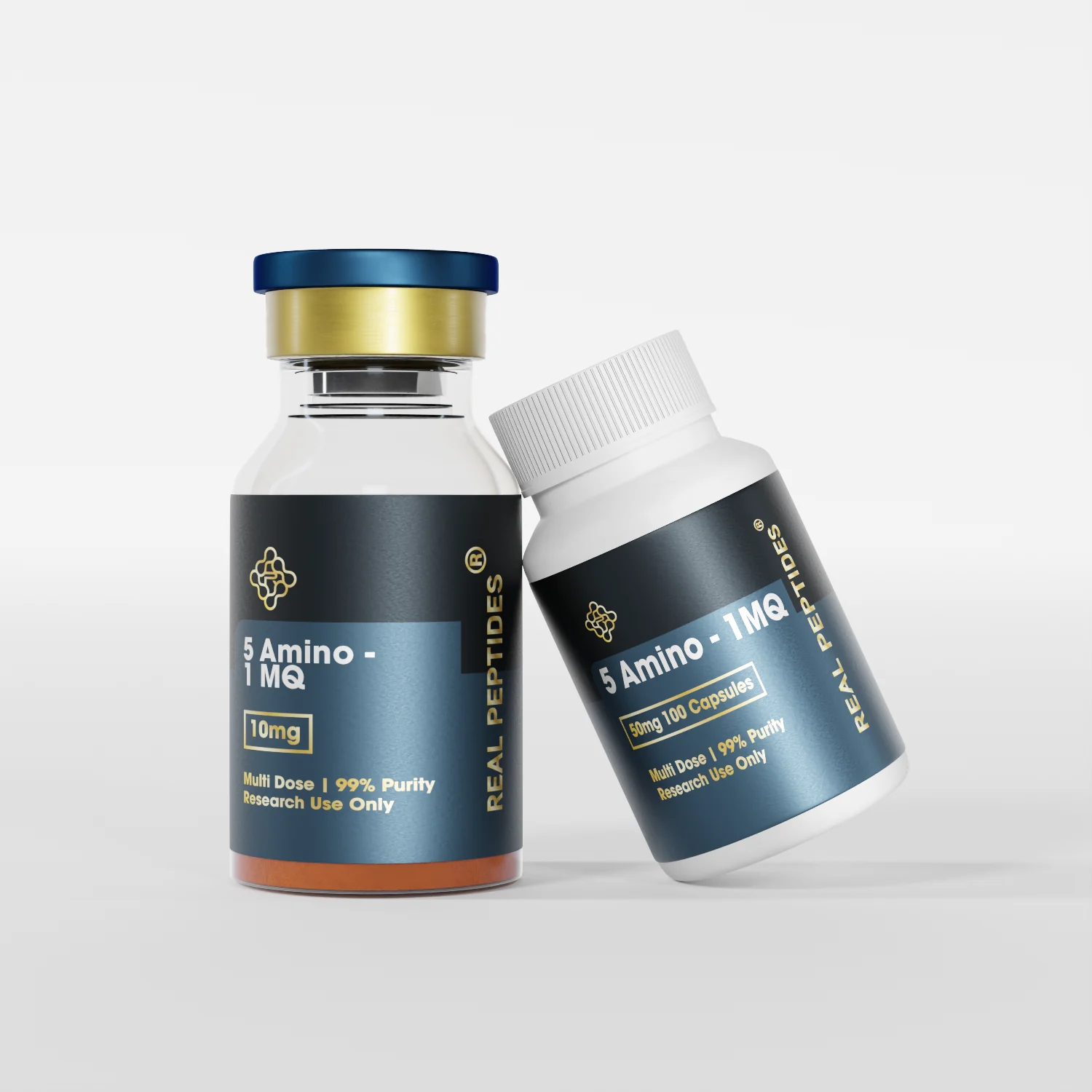
5-Amino-1MQ is studied for its role in NNMT inhibition and metabolic research. Lab tested per lot.
5-amino-1mq vs mots-c: a small-molecule NNMT inhibitor and a mitochondrial peptide compared on research, price, COA and the July 2026 FDA panel vote.

5-Amino-1MQ is studied for its role in NNMT inhibition and metabolic research. Lab tested per lot.
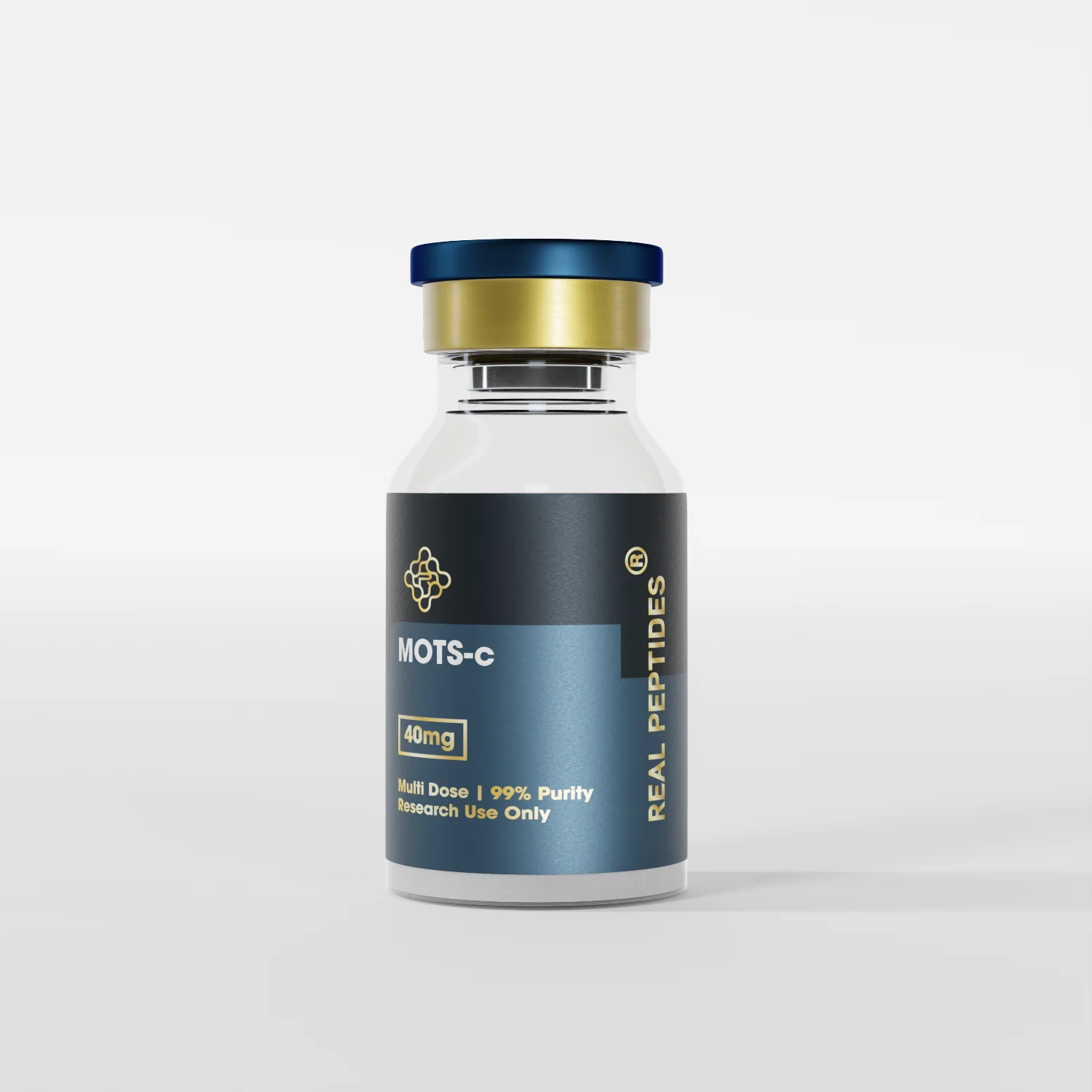
MOTS-c is a mitochondrial-derived peptide studied for metabolic and exercise-capacity research.
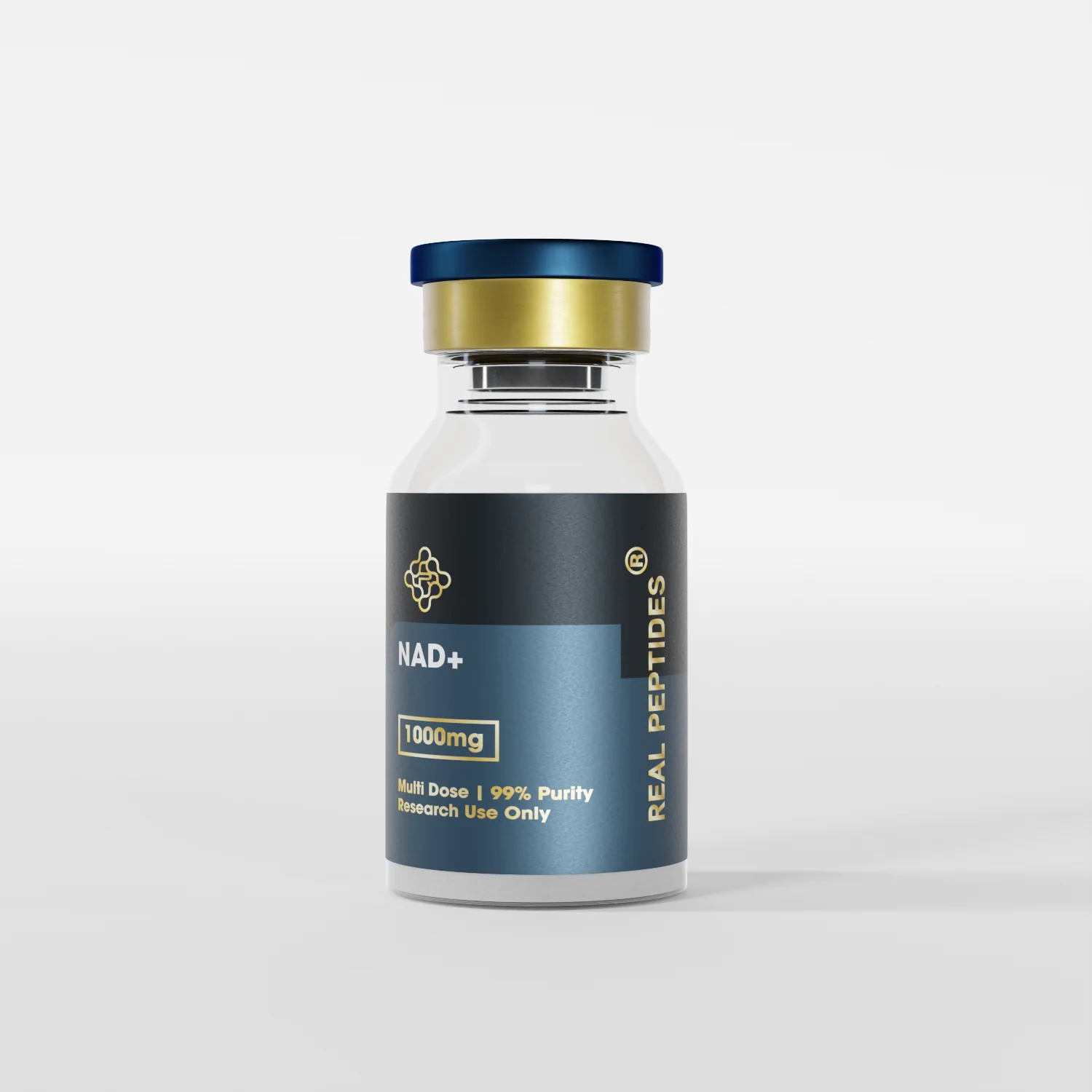
NAD+ research peptide in a multi-dose vial. Independent lab tested with COA published per lot. Ships from US stock.
| Product | Form | Testing | Shipping | Strength | Price |
|---|---|---|---|---|---|
| Real Peptides 5-Amino-1MQ Peptide | Capsule | Third-party COA | US stock | — | $33.60 |
| Real Peptides MOTS-c Peptide | Lyophilized powder | Third-party COA | — | 10mg | $43.20 |
| Real Peptides NAD+ Peptide (Multi-Dose Vial) | Lyophilized powder | Third-party COA | US stock | — | $60.00 |
On 23 July 2026 FDA's Pharmacy Compounding Advisory Committee voted 8-6, with 1 abstention, to recommend MOTS-c for the 503A bulks list. 5-Amino-1MQ was not on the agenda at all. That single date captures much of the 5-amino-1mq vs mots-c question: two compounds marketed to the same buyers, at a similar price, with a different chemical nature and a different regulatory path.
Neither is FDA-approved, and both are sold by research vendors for research use only. We track both listings from Real Peptides, and this page lays out where they differ and where buyers tend to treat them as interchangeable when they are not.
The core difference is that 5-Amino-1MQ is a small molecule and MOTS-c is a peptide. The vendor calls both "peptides", but only one of them is.
5-Amino-1MQ blocks an enzyme, NNMT (nicotinamide N-methyltransferase), which sits near the NAD+ pathway. Our NNMT explainer covers that enzyme. MOTS-c is a mitochondria-derived peptide, a short chain of amino acids encoded in mitochondrial DNA, studied as a signal in metabolism and exercise.
So one works by switching an enzyme down, and the other is studied as a messenger molecule. In the 5-amino-1mq vs mots-c comparison, that is the difference buyers most often skip, because the product names make the two sound like siblings. They are grouped together because of the research area, not because they act alike.
Side by side, the two listings differ in form, size disclosure and regulatory status more than in price.
| Feature | 5-Amino-1MQ Peptide | MOTS-c Peptide |
|---|---|---|
| Chemical type | Small molecule | Peptide |
| Target | NNMT enzyme | Mitochondrial signaling |
| Form | Capsule | Lyophilized powder |
| Stated size | Check label | 10mg |
| Price | $33.60 | $43.20 |
| Price per mg | Not stated | $4.32 |
| Testing | Third-party COA | Third-party COA |
| July 2026 panel | Not reviewed | Recommended 8-6, not final |
| FDA-approved | No | No |
The form difference has a practical side. A capsule label and a vial label carry different information, so read each one against its own COA rather than assuming the two listings disclose the same details. Both ship from the same vendor with free US shipping over $250. Together they cost $76.80, so a two-item order does not reach that threshold.
The research on both is mostly animal work, but on different questions. 5-Amino-1MQ has mouse studies of diet-induced obesity, where it reduced fat mass and body weight. MOTS-c has a broader animal literature on metabolism and exercise.
Neither has published controlled human trials showing a benefit. That point gets lost in the 5-amino-1mq vs mots-c debates on forums, where people compare "results" as if both had been tested in people.
For the limits of the 5-Amino-1MQ data in detail, see the benefits page.
After the July 2026 panel, MOTS-c has a non-binding recommendation and 5-Amino-1MQ has none. Neither can be legally compounded under that recommendation yet.
The panel vote on MOTS-c means FDA may consider adding it to the 503A bulks list, which compounding pharmacies may draw from. FDA must still decide, then publish proposed and final rules with public comment. As of the July meeting, nothing had been added. A draft policy reported in late October 2026 does not change that; it is a draft.
5-Amino-1MQ was also absent from the 24 August 2026 FDA warning letters, as was MOTS-c. That is not an endorsement. FDA said it judges the whole website, so a vendor making dosing or disease claims for either compound takes the same risk.
The choice depends on the research question, not on which one sounds stronger. A project on NNMT and nicotinamide metabolism points to 5-Amino-1MQ; a project on mitochondrial signaling points to MOTS-c.
On paperwork, MOTS-c is easier to compare because its 10mg size is stated, which gives a clean per-mg price. For 5-Amino-1MQ, I would read the capsule label and COA before comparing it with other sellers. The buying guide lists the COA checks.
If you want NAD+ and glutathione in the comparison as well, the metabolic compounds page covers all four. Both compounds here remain unapproved research chemicals, and personal health questions belong with a doctor.
On 23 July 2026 FDA's Pharmacy Compounding Advisory Committee voted 8-6, with 1 abstention, to recommend MOTS-c for the 503A bulks list. 5-Amino-1MQ was not on the agenda at all. That single date captures much of the 5-amino-1mq vs mots-c question: two compounds marketed to the same buyers, at a similar price, with a different chemical nature and a different regulatory path.
Neither is FDA-approved, and both are sold by research vendors for research use only. We track both listings from Real Peptides, and this page lays out where they differ and where buyers tend to treat them as interchangeable when they are not.
The core difference is that 5-Amino-1MQ is a small molecule and MOTS-c is a peptide. The vendor calls both "peptides", but only one of them is.
5-Amino-1MQ blocks an enzyme, NNMT (nicotinamide N-methyltransferase), which sits near the NAD+ pathway. Our NNMT explainer covers that enzyme. MOTS-c is a mitochondria-derived peptide, a short chain of amino acids encoded in mitochondrial DNA, studied as a signal in metabolism and exercise.
So one works by switching an enzyme down, and the other is studied as a messenger molecule. In the 5-amino-1mq vs mots-c comparison, that is the difference buyers most often skip, because the product names make the two sound like siblings. They are grouped together because of the research area, not because they act alike.
Side by side, the two listings differ in form, size disclosure and regulatory status more than in price.
| Feature | 5-Amino-1MQ Peptide | MOTS-c Peptide |
|---|---|---|
| Chemical type | Small molecule | Peptide |
| Target | NNMT enzyme | Mitochondrial signaling |
| Form | Capsule | Lyophilized powder |
| Stated size | Check label | 10mg |
| Price | $33.60 | $43.20 |
| Price per mg | Not stated | $4.32 |
| Testing | Third-party COA | Third-party COA |
| July 2026 panel | Not reviewed | Recommended 8-6, not final |
| FDA-approved | No | No |
The form difference has a practical side. A capsule label and a vial label carry different information, so read each one against its own COA rather than assuming the two listings disclose the same details. Both ship from the same vendor with free US shipping over $250. Together they cost $76.80, so a two-item order does not reach that threshold.
The research on both is mostly animal work, but on different questions. 5-Amino-1MQ has mouse studies of diet-induced obesity, where it reduced fat mass and body weight. MOTS-c has a broader animal literature on metabolism and exercise.
Neither has published controlled human trials showing a benefit. That point gets lost in the 5-amino-1mq vs mots-c debates on forums, where people compare "results" as if both had been tested in people.
For the limits of the 5-Amino-1MQ data in detail, see the benefits page.
After the July 2026 panel, MOTS-c has a non-binding recommendation and 5-Amino-1MQ has none. Neither can be legally compounded under that recommendation yet.
The panel vote on MOTS-c means FDA may consider adding it to the 503A bulks list, which compounding pharmacies may draw from. FDA must still decide, then publish proposed and final rules with public comment. As of the July meeting, nothing had been added. A draft policy reported in late October 2026 does not change that; it is a draft.
5-Amino-1MQ was also absent from the 24 August 2026 FDA warning letters, as was MOTS-c. That is not an endorsement. FDA said it judges the whole website, so a vendor making dosing or disease claims for either compound takes the same risk.