Metabolic
5 amino 1mq weight loss data comes only from obese mice. No controlled human trials exist, and weight-loss marketing for it is a red flag in 2026.
On 24 August 2026 FDA sent warning letters to five online peptide vendors, and the products named included weight-loss compounds such as semaglutide, tirzepatide and retatrutide. That context matters for anyone reading about 5 amino 1mq weight loss, because the only weight data for this compound comes from mice, and selling it with weight-loss promises is exactly the kind of claim regulators look for.
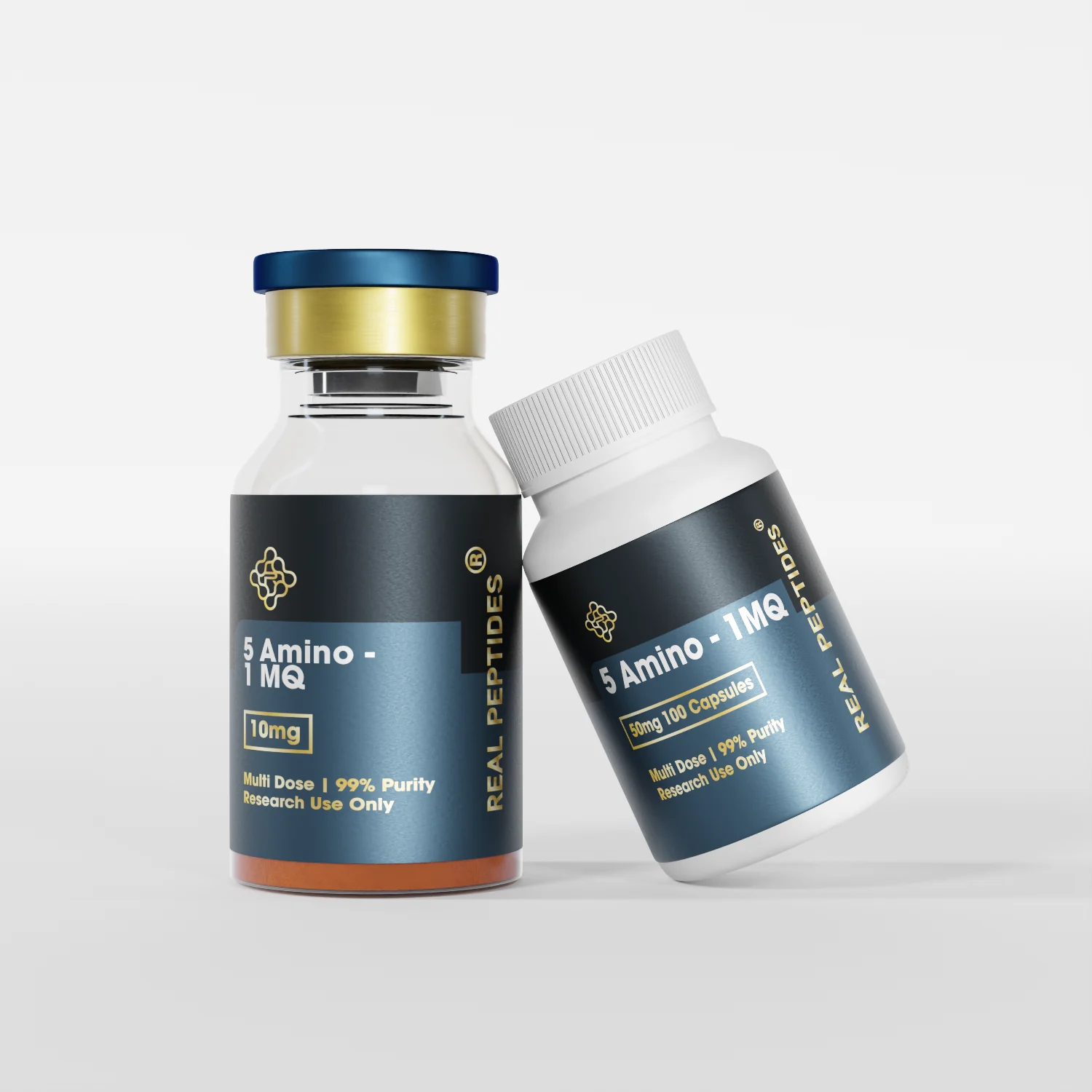
5-Amino-1MQ is an NNMT inhibitor sold as a research capsule. It is not FDA-approved, there are no published controlled human trials, and long-term safety in people is unknown. Here is what the animal data says, and what it cannot say.
The weight result comes from mouse studies of diet-induced obesity, in which 5-Amino-1MQ reduced fat mass and body weight. That is the full extent of the published finding that the 5 amino 1mq weight loss claims rest on.
Diet-induced obesity means the mice were fed a high-fat diet until they gained weight, then given the compound. The model is common in metabolism research because it is fast and repeatable.
The result shows that blocking NNMT can change fat storage in an obese rodent. It is a reason to keep studying the pathway. It is not a demonstration of weight loss in people.
The animal model leaves out nearly everything that decides whether a weight-loss drug works in humans. Real human weight change depends on appetite, activity, sleep, medicines, age and years of habit, none of which a short mouse study captures.
| Question | Mouse studies | Humans |
|---|---|---|
| Does it lower fat mass? | Reported, in obese mice | Not tested in controlled trials |
| Does weight stay off? | Not established | Unknown |
| Is it safe long term? | Not established | Unknown |
| What amount would matter? | Set for the experiment | No human dose exists |
The last row is the one buyers most often get wrong. Animal study amounts cannot be converted into a human figure, a point the dosage page covers in detail.
No controlled human trials of 5-Amino-1MQ for weight loss have been published. Without them, nobody can say whether it reduces weight in people, by how much, or at what cost.
Controlled trials compare a treated group against a placebo group, track side effects, and run long enough to see whether results last. Weight-management drugs that reach pharmacy shelves in the US went through that process before FDA approval.
5-Amino-1MQ has not. That is the plain difference between it and an approved option, and it is why we describe its effects only as animal findings. For the full list of reported outcomes, see the 5 amino 1mq benefits page.
It gets compared with MOTS-c and NAD+ because all three are discussed as metabolic research compounds and sold by the same research vendors. The comparison is about research interest, not proven weight effects.
MOTS-c is a mitochondria-derived peptide studied in metabolism and exercise research, mostly in animals. NAD+ is a coenzyme; weight-loss claims for it are not supported by controlled human trials either. 5-Amino-1MQ connects to NAD+ through the NNMT enzyme, which uses nicotinamide, a form of vitamin B3 that feeds the NAD+ pathway.
None of the three has controlled human evidence for weight loss. The 5-Amino-1MQ vs MOTS-c page compares the first two directly.
Weight-loss marketing on a research-compound page is a warning sign because it signals intended human use, which is what FDA cited in its August 2026 letters. The agency said it judges the whole website, including disease claims and dosing guidance.
We see the pattern often: a capsule listing that says "research use only" in small print and "burn fat" in the headline. Those two messages cannot both be true. A buyer reading that page should trust the vendor less, not more.
If weight is a health concern for you, a doctor can explain the approved options and their evidence. The 5 amino 1mq weight loss story is, for now, a mouse story, and the compound remains an unapproved research chemical.
On 24 August 2026 FDA sent warning letters to five online peptide vendors, and the products named included weight-loss compounds such as semaglutide, tirzepatide and retatrutide. That context matters for anyone reading about 5 amino 1mq weight loss, because the only weight data for this compound comes from mice, and selling it with weight-loss promises is exactly the kind of claim regulators look for.
5-Amino-1MQ is an NNMT inhibitor sold as a research capsule. It is not FDA-approved, there are no published controlled human trials, and long-term safety in people is unknown. Here is what the animal data says, and what it cannot say.
The weight result comes from mouse studies of diet-induced obesity, in which 5-Amino-1MQ reduced fat mass and body weight. That is the full extent of the published finding that the 5 amino 1mq weight loss claims rest on.
Diet-induced obesity means the mice were fed a high-fat diet until they gained weight, then given the compound. The model is common in metabolism research because it is fast and repeatable.
The result shows that blocking NNMT can change fat storage in an obese rodent. It is a reason to keep studying the pathway. It is not a demonstration of weight loss in people.
The animal model leaves out nearly everything that decides whether a weight-loss drug works in humans. Real human weight change depends on appetite, activity, sleep, medicines, age and years of habit, none of which a short mouse study captures.
| Question | Mouse studies | Humans |
|---|---|---|
| Does it lower fat mass? | Reported, in obese mice | Not tested in controlled trials |
| Does weight stay off? | Not established | Unknown |
| Is it safe long term? | Not established | Unknown |
| What amount would matter? | Set for the experiment | No human dose exists |
The last row is the one buyers most often get wrong. Animal study amounts cannot be converted into a human figure, a point the dosage page covers in detail.
No controlled human trials of 5-Amino-1MQ for weight loss have been published. Without them, nobody can say whether it reduces weight in people, by how much, or at what cost.
Controlled trials compare a treated group against a placebo group, track side effects, and run long enough to see whether results last. Weight-management drugs that reach pharmacy shelves in the US went through that process before FDA approval.
5-Amino-1MQ has not. That is the plain difference between it and an approved option, and it is why we describe its effects only as animal findings. For the full list of reported outcomes, see the 5 amino 1mq benefits page.
It gets compared with MOTS-c and NAD+ because all three are discussed as metabolic research compounds and sold by the same research vendors. The comparison is about research interest, not proven weight effects.
MOTS-c is a mitochondria-derived peptide studied in metabolism and exercise research, mostly in animals. NAD+ is a coenzyme; weight-loss claims for it are not supported by controlled human trials either. 5-Amino-1MQ connects to NAD+ through the NNMT enzyme, which uses nicotinamide, a form of vitamin B3 that feeds the NAD+ pathway.
None of the three has controlled human evidence for weight loss. The 5-Amino-1MQ vs MOTS-c page compares the first two directly.